
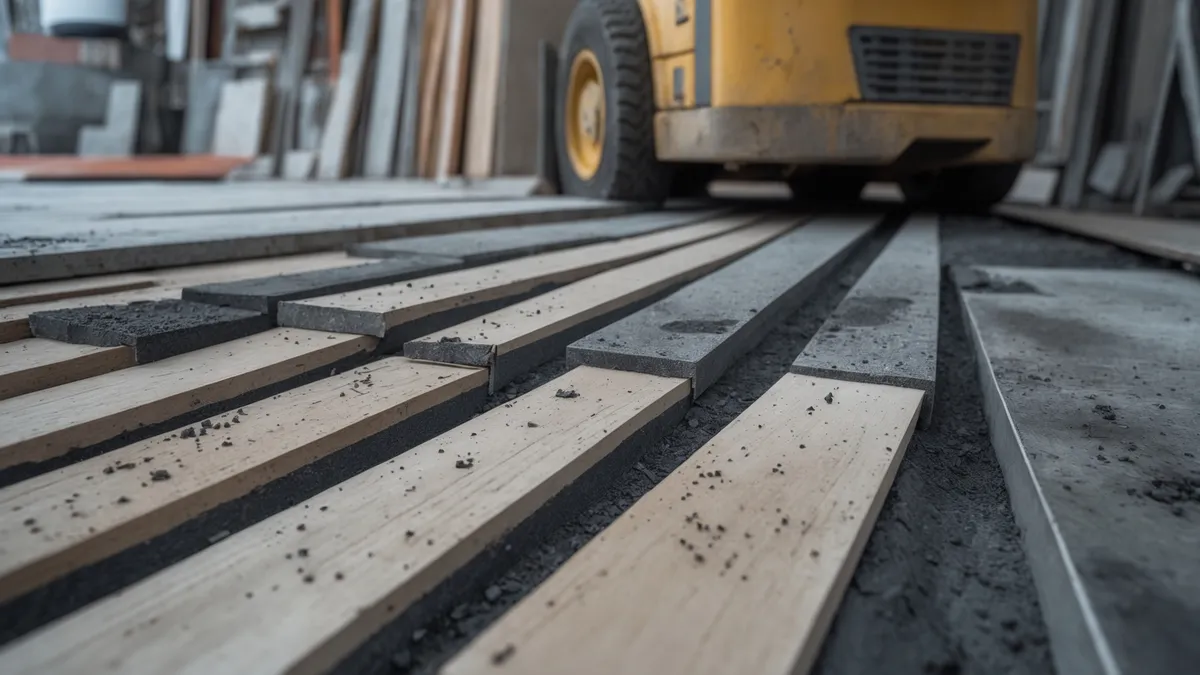
Installing new flooring over a damaged subfloor leads to premature failure, wasted materials, and costly reinstallation. Recognizing subfloor repair signs early protects your investment and ensures your new floors perform as expected. Common indicators include bouncy floors, visible sagging, persistent odors, and moisture damage that compromises the structural layer beneath your surface materials.
Why the Subfloor Matters More Than Surface Materials
The subfloor serves as the structural foundation for every type of finished flooring. It transfers weight to the floor joists below and provides a stable, level surface for materials like hardwood, tile, vinyl, and laminate. When this hidden layer fails, even premium flooring materials buckle, crack, or separate within months of installation.
Most subfloors in South Jersey homes consist of plywood or oriented strand board (OSB) sheets measuring three-quarters of an inch thick. These materials handle normal wear when properly installed and protected from moisture. Damage typically occurs from water intrusion, structural settling, pest activity, or aging adhesives that no longer hold sheets securely to floor joists.
When Your Floor Bounces or Feels Unstable
A floor that moves noticeably under your weight signals subfloor problems. Healthy subfloors feel solid and stable. When you notice bounce, give, or spring in certain areas, the plywood or OSB has likely separated from the joists or sustained water damage that weakened its structure.
Walk slowly across each room and pay attention to spots that flex more than surrounding areas. Mark these locations with painter’s tape. In most cases, the movement indicates fasteners have pulled loose, the subfloor has delaminated, or joists have settled unevenly. All three conditions require repair before new flooring goes down.
Visible Sagging or Dips in the Floor Surface
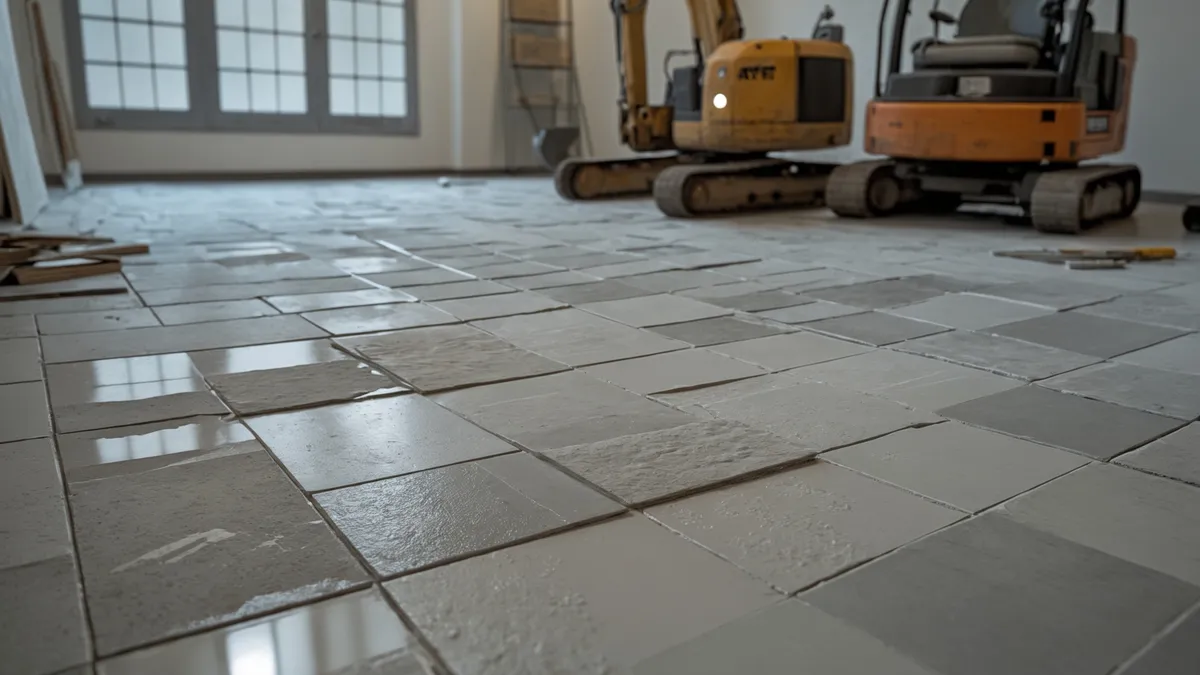
Stand at different angles in a room and look across the floor surface toward windows or light sources. Healthy floors appear level. Dips, waves, or sagging sections indicate the subfloor has failed underneath.
Sagging usually results from water damage that caused the subfloor material to swell and then compress, from insufficient joist support, or from subfloor panels that were never properly fastened. Even minor dips affect flooring performance. Tile will crack along the low points. Hardwood gaps will widen. Vinyl planks will separate at the seams.
Stains, Odors, and Moisture Issues
Musty smells that linger after cleaning often trace back to moisture trapped in the subfloor. Wood-based subfloors absorb water from leaks, flooding, high humidity, or groundwater migration. Once saturated, these materials rarely dry completely without intervention.
Check for visible stains on existing flooring, especially near bathrooms, kitchens, exterior walls, and basements. Dark rings, discoloration, or bubbling in vinyl and laminate materials indicate water reached the subfloor. If you smell mold or mildew, the subfloor likely harbors moisture and needs replacement in the affected areas.
Before you install new flooring, address the moisture source. Repair leaking pipes, improve ventilation, or install vapor barriers depending on the cause.
Squeaks and Creaks That Won’t Go Away
Some floor noise results from seasonal wood movement, but persistent squeaks in the same spots often point to subfloor issues. When plywood or OSB sheets shift against joists or against each other, friction creates noise with every step.
Squeaks develop when fasteners loosen over time or when subfloor panels were originally installed without adequate support. Covering these areas with new flooring won’t silence the noise. The movement continues beneath the surface and eventually damages the new materials from below.
Soft Spots That Compress Under Pressure in Buena Homes
Press firmly on the floor in different areas, especially near exterior walls, plumbing fixtures, and entry doors. Soft spots that compress or feel spongy indicate advanced moisture damage or rot. This condition is common in older homes across Buena and throughout South Jersey, where seasonal humidity and occasional flooding affect subfloor integrity.
Soft subfloors cannot support new flooring. The compromised material lacks the structural strength to hold fasteners or distribute weight. Installing over these areas results in immediate failure, with visible damage appearing within days or weeks.
Gaps Between Subfloor Panels or at the Edges
Subfloor panels should fit tightly together with minimal spacing. Gaps wider than one-eighth of an inch allow movement, create uneven surfaces, and telegraph through finished flooring. These gaps typically develop from improper installation, moisture cycling that caused expansion and contraction, or fastener failure.
Run your hand along seams where subfloor panels meet. If you feel height differences or catch your fingers in gaps, the subfloor needs attention. Some gaps can be filled and reinforced, but panels with severe separation usually require replacement.
Six Steps to Evaluate Subfloor Condition Before Installation
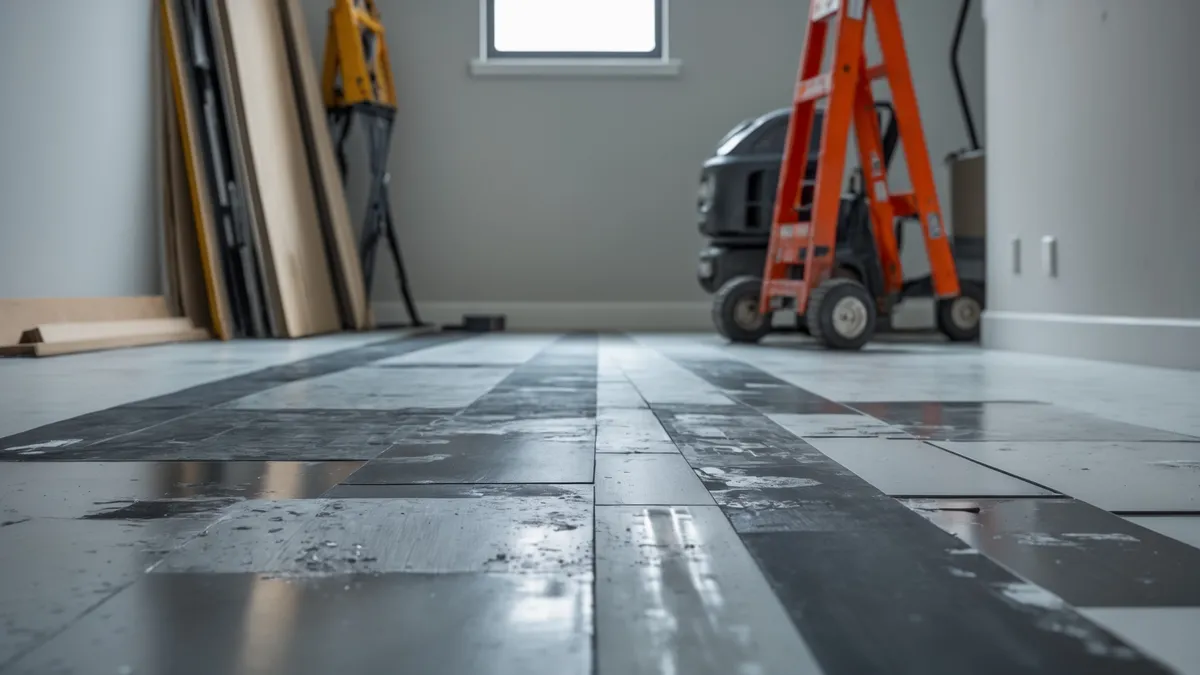
A thorough subfloor inspection takes 30 to 45 minutes per room and prevents expensive mistakes. Follow this process before purchasing new flooring materials:
- Remove a section of existing flooring in the room’s center and near exterior walls to expose the subfloor
- Check for visible water stains, mold growth, or discoloration on the subfloor surface
- Use a moisture meter to measure readings across multiple locations (readings above 12% indicate excess moisture)
- Walk the entire floor and mark areas that bounce, squeak, or feel soft
- Measure the floor for level using a six-foot straight edge (variations greater than one-quarter inch over 10 feet require correction)
- Inspect fasteners to confirm subfloor panels are securely attached to joists at proper intervals
This inspection reveals whether you can proceed with installation or need repairs first. Homes built before 1980 often have subfloors that no longer meet current standards for thickness or fastening methods.
How Water Damage Spreads Through Subflooring
Water damage rarely stays confined to the initial leak location. Plywood and OSB absorb moisture and transfer it to adjacent areas through capillary action. A small leak under a kitchen sink can affect subfloor panels 10 or 12 feet away over several months.
Once water penetrates the subfloor, the material swells and loses its structural properties. The layers separate internally, creating a condition called delamination. Even after the material dries, it never regains full strength. These compromised sections must be cut out and replaced, not simply dried and covered.
If your home experienced flooding, had long-term plumbing leaks, or shows signs of foundation moisture intrusion, expect subfloor damage that extends beyond visible surface indicators. Professional assessment often reveals problems three or four times larger than what appears on the surface.
For properties dealing with extensive water damage, coordinating subfloor repair with other improvements makes sense. Our guide on selecting flooring for coastal environments addresses moisture considerations specific to South Jersey homes.
The Cost of Skipping Subfloor Repairs
Installing new flooring over damaged subfloors guarantees failure. The timeline varies by flooring type and damage severity, but the outcome remains the same. Tile cracks along weak points within months. Hardwood develops gaps and cupping within the first year. Luxury vinyl separates at seams and shows visible waves where the subfloor flexes.
Reinstalling flooring after subfloor failure costs significantly more than addressing repairs upfront. You pay for material removal, subfloor replacement, and new finished flooring. Most flooring materials cannot be salvaged and reinstalled, so the entire investment is lost.
Beyond direct costs, failed flooring creates safety hazards. Loose tiles cause trips and falls. Separated vinyl planks catch on furniture and create uneven walking surfaces. Compromised subfloors can eventually affect the structural integrity of floor joists below.
Professional Assessment Protects Your Flooring Investment
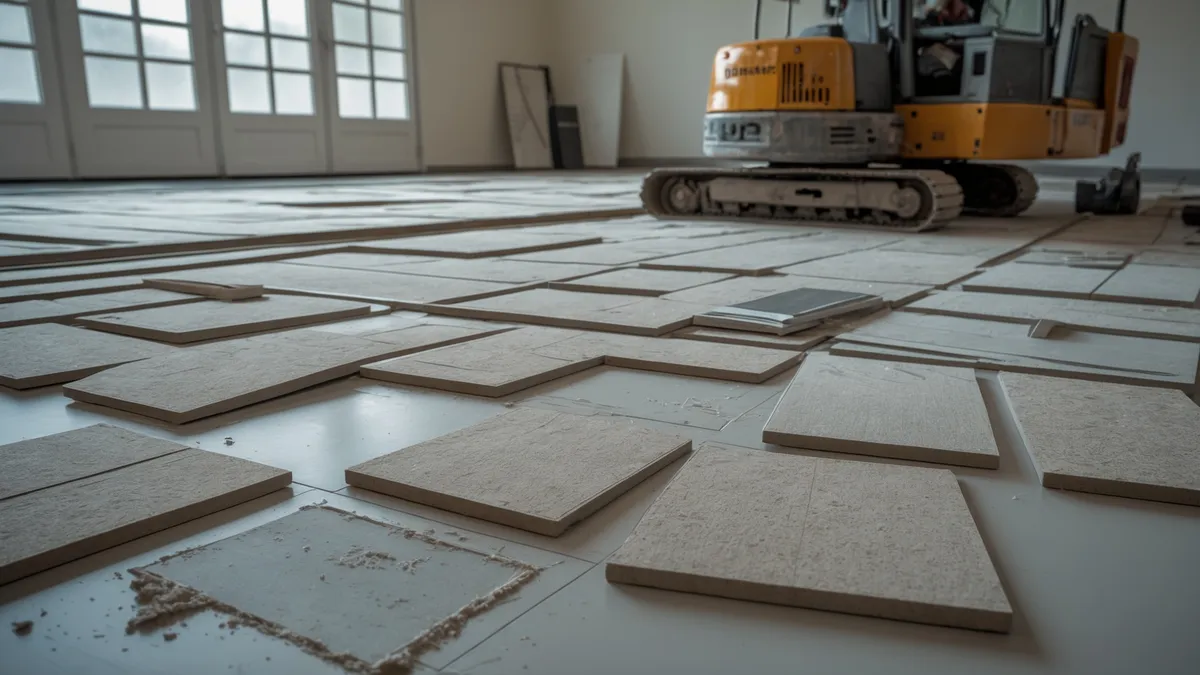
Subfloor evaluation requires experience to distinguish normal wear from conditions that compromise new flooring. Contractors who specialize in Flooring installation and renovation recognize damage patterns, understand moisture dynamics, and know which repairs ensure long-term performance.
A professional assessment includes moisture testing with calibrated meters, structural evaluation of floor joists, and fastener inspection. The evaluation identifies specific repair methods matched to the damage type. Some situations require only additional fasteners and minor leveling. Others need complete panel replacement, joist reinforcement, or moisture barrier installation.
Quality Affordable Construction LLC has evaluated subfloors across Atlantic, Cape May, and Cumberland Counties since 2017. Common repair scenarios include replacing water-damaged sections near bathroom fixtures, reinforcing subfloors in homes with crawl spaces, and correcting installation defects in properties built during the 1960s and 1970s.
Making Your New Floors Last Decades Instead of Years
The difference between flooring that performs for 20 years and flooring that fails in two years often comes down to subfloor condition at installation. Taking time to identify and repair subfloor issues protects your investment and eliminates the frustration of premature flooring failure.
Start with a thorough inspection that examines bounce, moisture, levelness, and structural integrity. Address every issue before new materials go down. Work with contractors who understand the relationship between subfloor quality and finished flooring performance. The extra investment in proper preparation pays returns every day you walk across solid, stable floors.
Quality Affordable Construction LLC provides complete flooring services throughout Egg Harbor Township and surrounding South Jersey communities, including detailed subfloor evaluation and repair before installation. Our approach ensures your new floors rest on a solid foundation that supports long-term performance. Contact us at (609) 592-3410 to schedule an assessment and protect your flooring investment from day one.