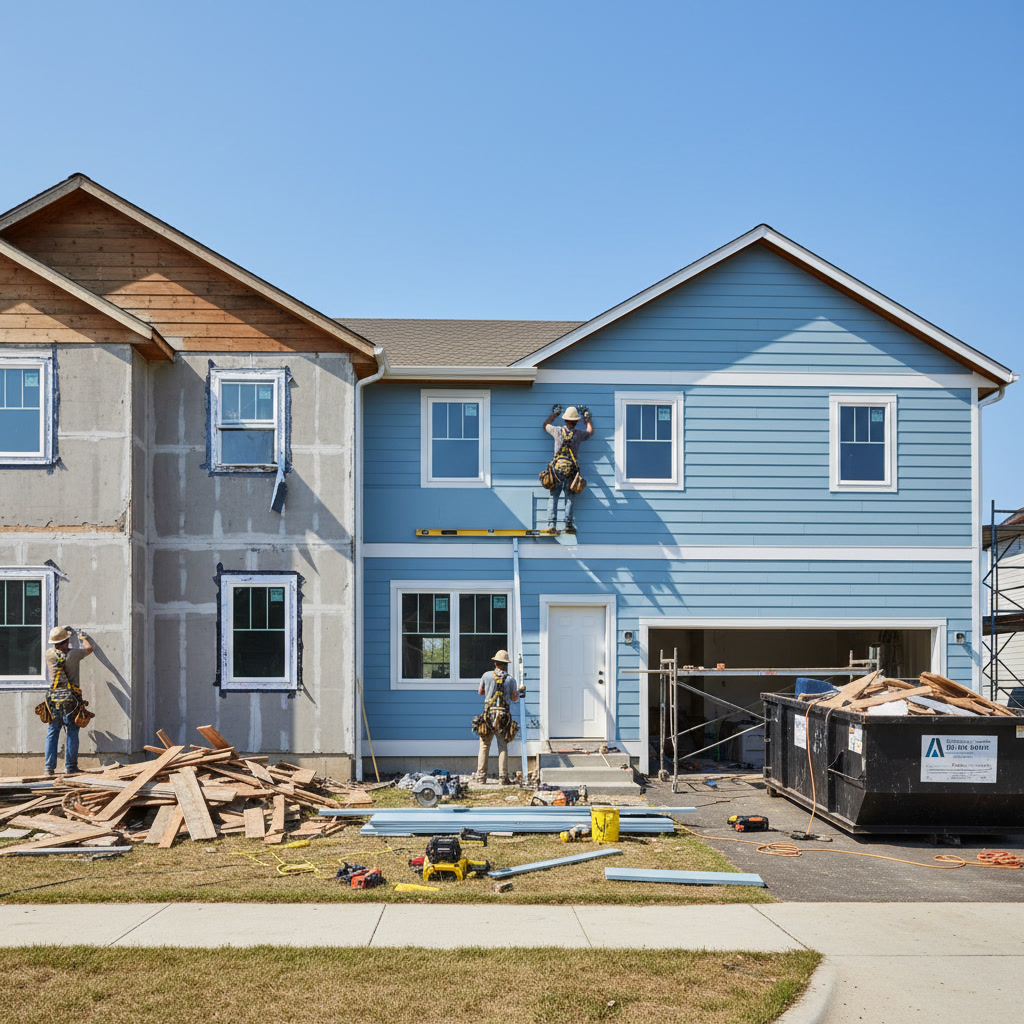
Selecting the right exterior paint involves more than matching swatches to your trim. The best choices balance weather resistance, UV stability, and proper surface preparation to protect your home for years. When you choose exterior paint correctly, you minimize maintenance costs and extend the lifespan of your siding while keeping your property looking fresh.
Why Exterior Paint Selection Matters More in Coastal Climates
South Jersey’s coastal weather creates unique challenges for exterior surfaces. Salt air accelerates paint breakdown, UV radiation fades pigments faster, and humidity promotes mildew growth beneath failing coatings. Homes within five miles of the Atlantic face moisture levels that standard paints cannot handle without specialized formulations.
Temperature swings between summer heat and winter cold cause expansion and contraction that weakens paint adhesion. Properties in areas like Cape May, Ocean City, and Brigantine need products engineered for these conditions. The right selection prevents premature cracking, bubbling, and the need for repainting every three to four years.
Understanding Paint Quality Beyond Brand Names
Paint quality depends on three measurable factors: pigment volume concentration, binder type, and additive packages. Higher pigment loads create better hiding power and color retention. Acrylic binders outperform vinyl-acrylic formulas in flexibility and durability, especially during freeze-thaw cycles common to New Jersey winters.
Premium paints contain mildewcides, UV absorbers, and water-repellent additives that budget options lack. A gallon costing $65 typically delivers twice the protection and coverage of a $30 product. The upfront difference becomes negligible when you factor in labor costs and the extended time between repaints. Professional contractors who handle exterior projects consistently recommend products with at least 45 percent pigment volume for lasting results.
Light Versus Dark Colors and Heat Absorption
Dark exterior paints absorb 70 to 90 percent of solar radiation, causing surface temperatures to exceed 170 degrees on sunny summer days. This heat stresses paint films and underlying materials, leading to faster degradation. Light and medium tones reflect more energy, keeping surfaces 20 to 40 degrees cooler and extending paint life by several years.
If you prefer darker shades for architectural contrast, limit them to accent areas with less sun exposure or select formulas with infrared-reflective pigments. These specialty products maintain deep color while reducing heat buildup. Homes near Egg Harbor Township and surrounding areas benefit most from lighter base colors with strategic dark trim.
Matching Paint Systems to Siding Materials
Wood siding requires breathable coatings that allow moisture vapor to escape while blocking liquid water. 100 percent acrylic paints provide this balance better than oil-based options, which can trap moisture and cause rot. Fiber cement and engineered wood need paints with strong alkalinity resistance to prevent saponification, a chemical reaction that causes peeling.
Vinyl siding presents a different challenge. Factory finishes are designed to last, but when repainting becomes necessary, you must use products rated for vinyl application. Standard exterior paints may not adhere properly or could cause warping if they absorb too much heat. Stucco and masonry surfaces need elastomeric coatings that bridge hairline cracks and resist moisture penetration from driving rain.
Color Selection Process That Accounts for Absecon Area Conditions
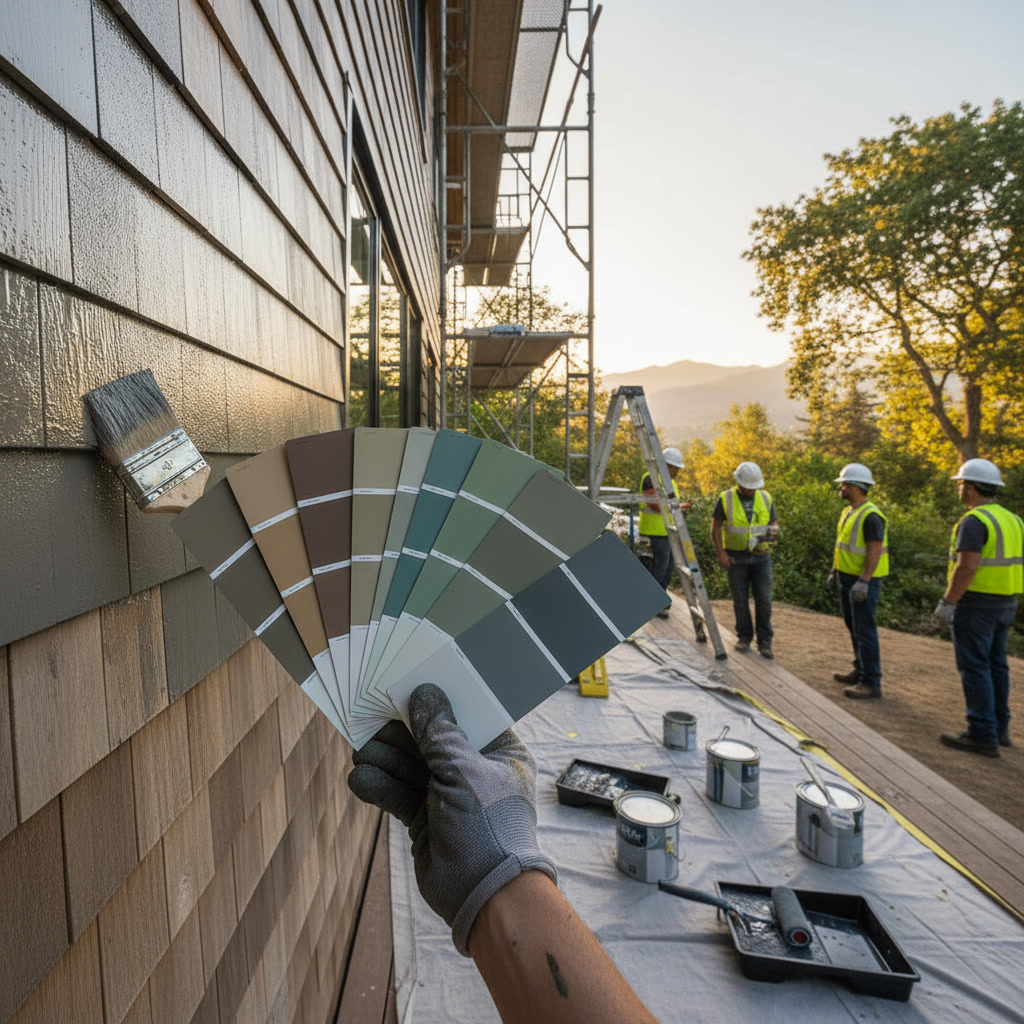
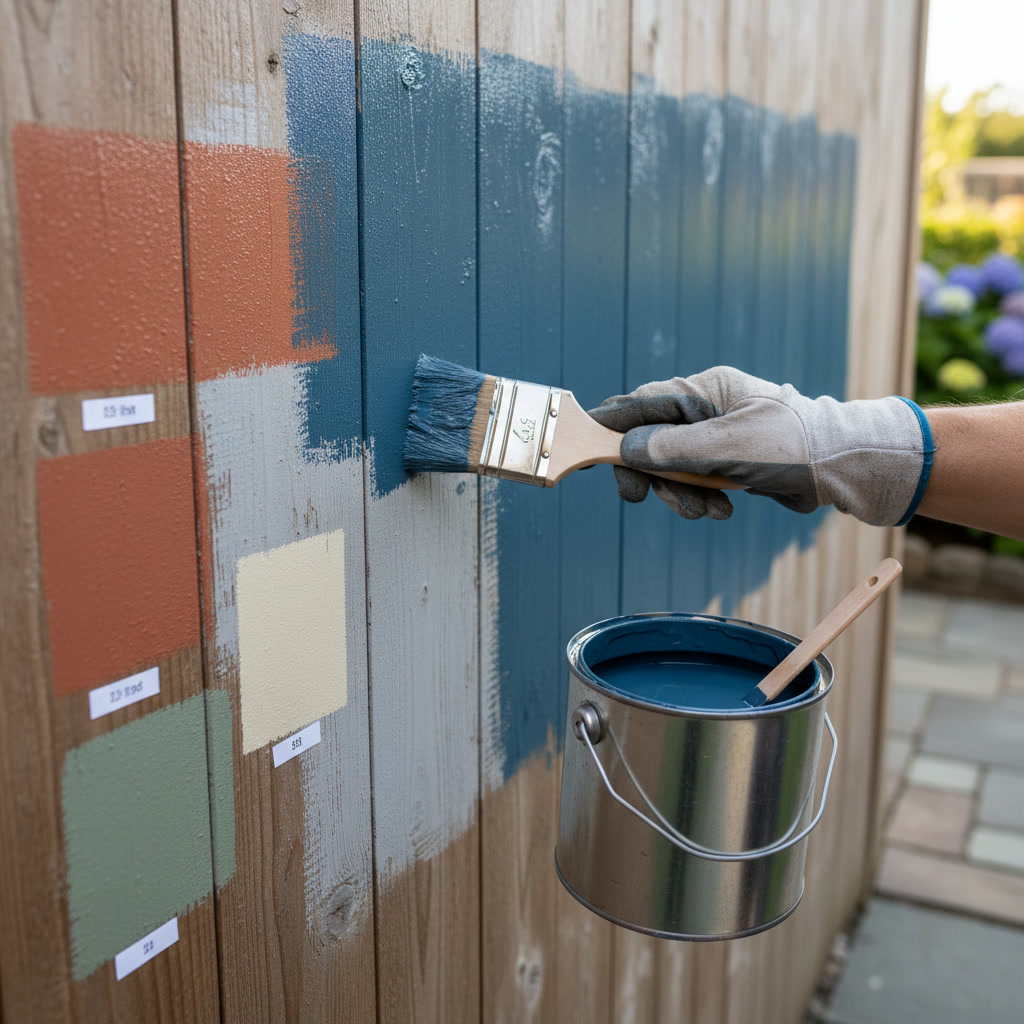
Start by observing how natural and artificial light affects your property throughout the day. Colors shift dramatically between morning, midday, and evening illumination. Purchase sample quarts and paint two-foot squares on multiple elevations, then evaluate them over three to five days under different weather conditions.
Consider the fixed elements you cannot change: roofing color, brick or stone accents, and neighboring structures. Your paint should complement these features rather than clash with them. Properties in South Jersey neighborhoods often follow informal color palettes that maintain visual harmony. Quality Affordable Construction LLC recommends testing samples on actual siding rather than poster board, since texture and substrate color influence final appearance.
The Five-Step Method for Lasting Exterior Paint Performance
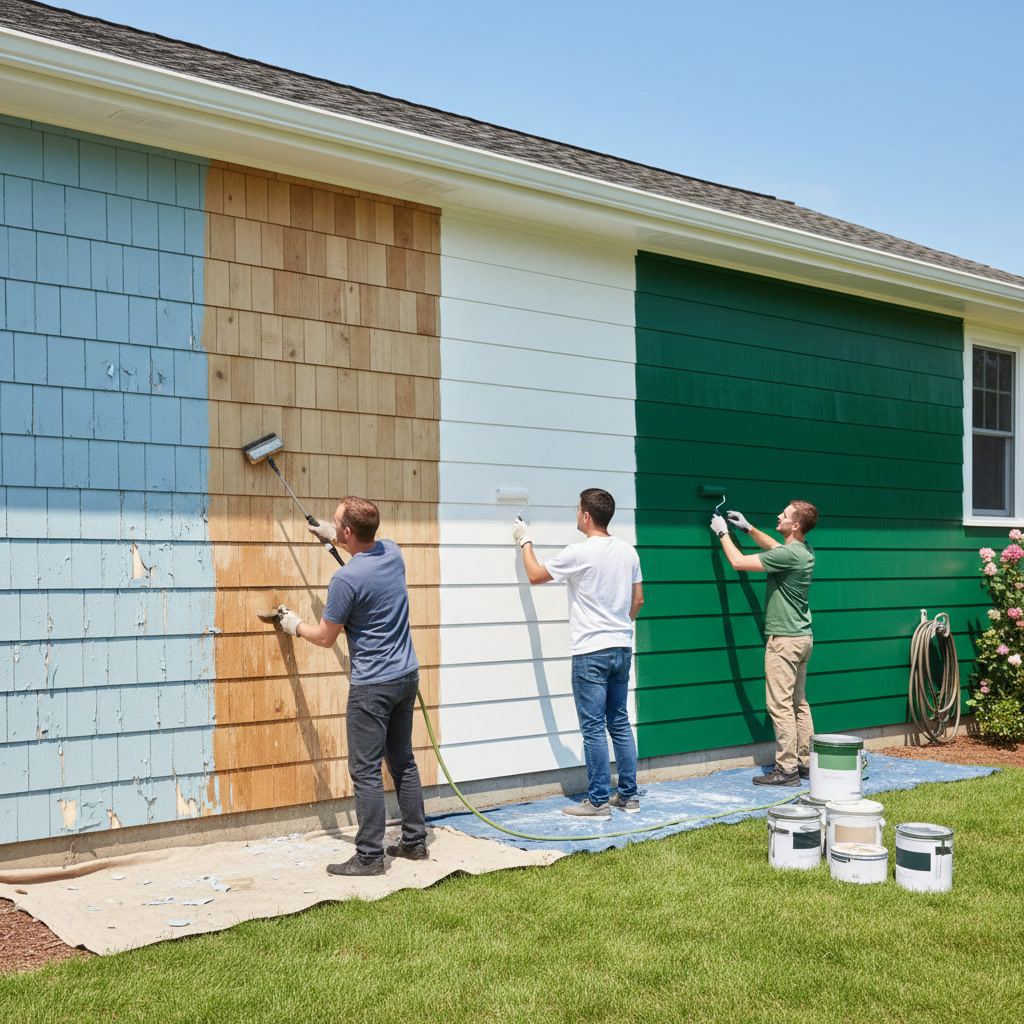
First, clean all surfaces thoroughly using a pressure washer set between 1,500 and 2,500 PSI. Remove mildew, dirt, and chalking completely. Second, scrape and sand any loose or peeling paint until only sound coating remains. Third, prime bare wood, raw fiber cement, and patches with a product matched to your topcoat chemistry.
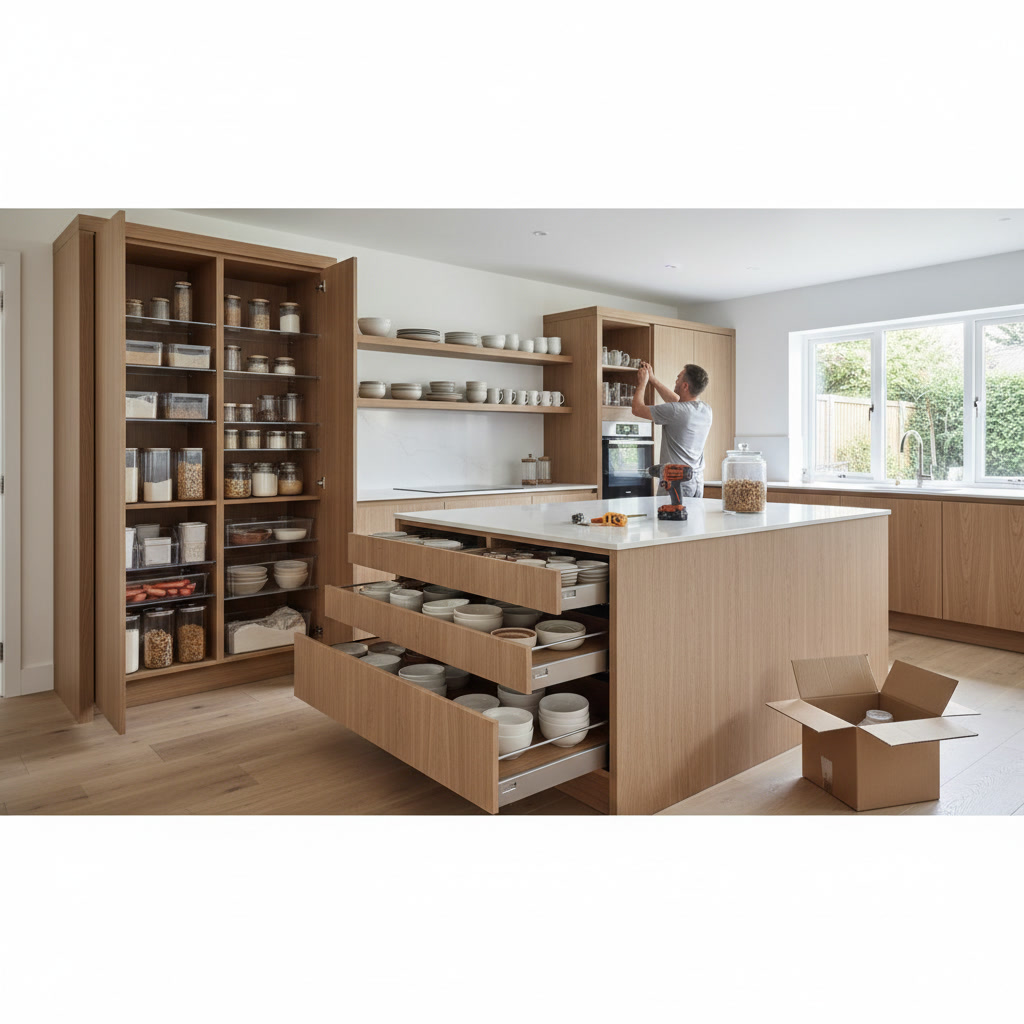
Fourth, caulk gaps around windows, doors, and trim joints with paintable acrylic latex caulk rated for exterior use. Fifth, apply two coats of finish paint, allowing proper drying time between applications. This process takes longer than single-coat shortcuts but delivers performance that justifies the investment. Much like the careful planning involved when you plan a kitchen remodel from start to finish, exterior painting requires methodical preparation.
When to Choose Paint Versus Stain for Wood Surfaces
Solid-color stains penetrate wood grain while providing opacity similar to paint. They work best on rough-sawn or textured lumber where you want to preserve surface character. Semi-transparent stains showcase wood grain but offer less UV protection and require reapplication every three to five years.
Paint creates a thicker protective barrier ideal for smooth wood siding, trim, and architectural details. It hides imperfections better and lasts longer when properly maintained. For deck surfaces and railings, consider whether the wood species and exposure level suit stain or paint. Cedar and redwood accept stain readily, while pressure-treated pine often performs better with paint. When working on outdoor structures like decks, the coating choice significantly affects maintenance schedules.
Sheen Levels and Their Practical Impact
Flat or matte finishes hide surface imperfections but clean poorly and show dirt more readily. They suit low-traffic areas and older homes with textured siding. Satin and eggshell sheens offer better cleanability while maintaining a softer appearance appropriate for body colors on traditional architecture.
Semi-gloss and gloss finishes provide maximum durability and moisture resistance, making them ideal for trim, doors, and railings. Higher sheen levels highlight surface flaws, so proper preparation becomes even more critical. Most professional contractors use satin for siding and semi-gloss for trim, creating subtle contrast without excessive shine that looks out of place in residential settings.
Reading Weather Windows and Application Timing
Exterior paint requires specific conditions to cure properly. Apply when temperatures stay between 50 and 85 degrees for at least 24 hours after application. Avoid painting in direct sunlight or when rain threatens within 12 hours. High humidity above 70 percent slows drying and can cause surfactant leaching, where brown or clear droplets appear on fresh paint.
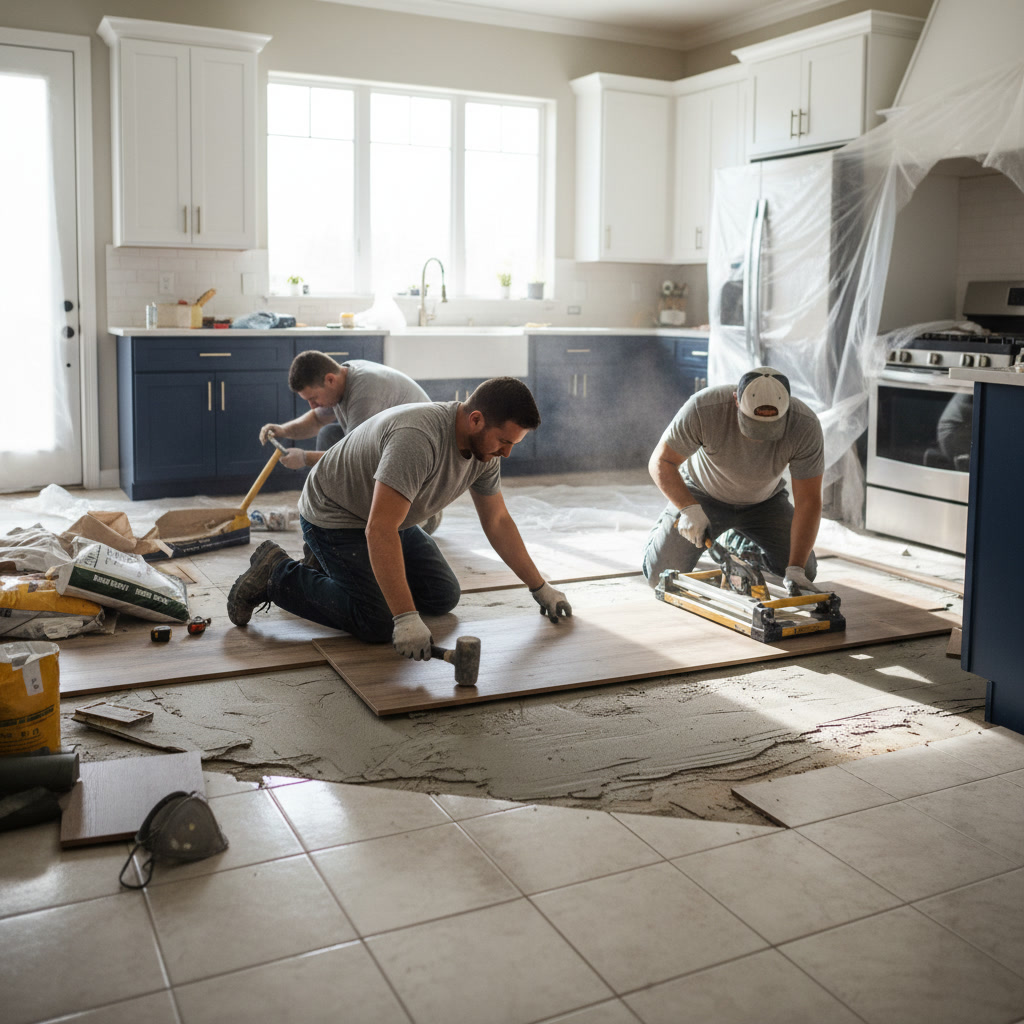
Spring and fall typically offer the most stable conditions in New Jersey, though summer mornings work if you start early. Winter painting becomes risky below 50 degrees, even with alkyd-modified products rated for cooler application. Professional crews monitor weather forecasts closely and adjust schedules to protect your investment. This attention to timing mirrors the precision needed for projects like flooring installation and renovation, where environmental conditions affect outcomes.
Testing for Lead Paint Before Any Exterior Work
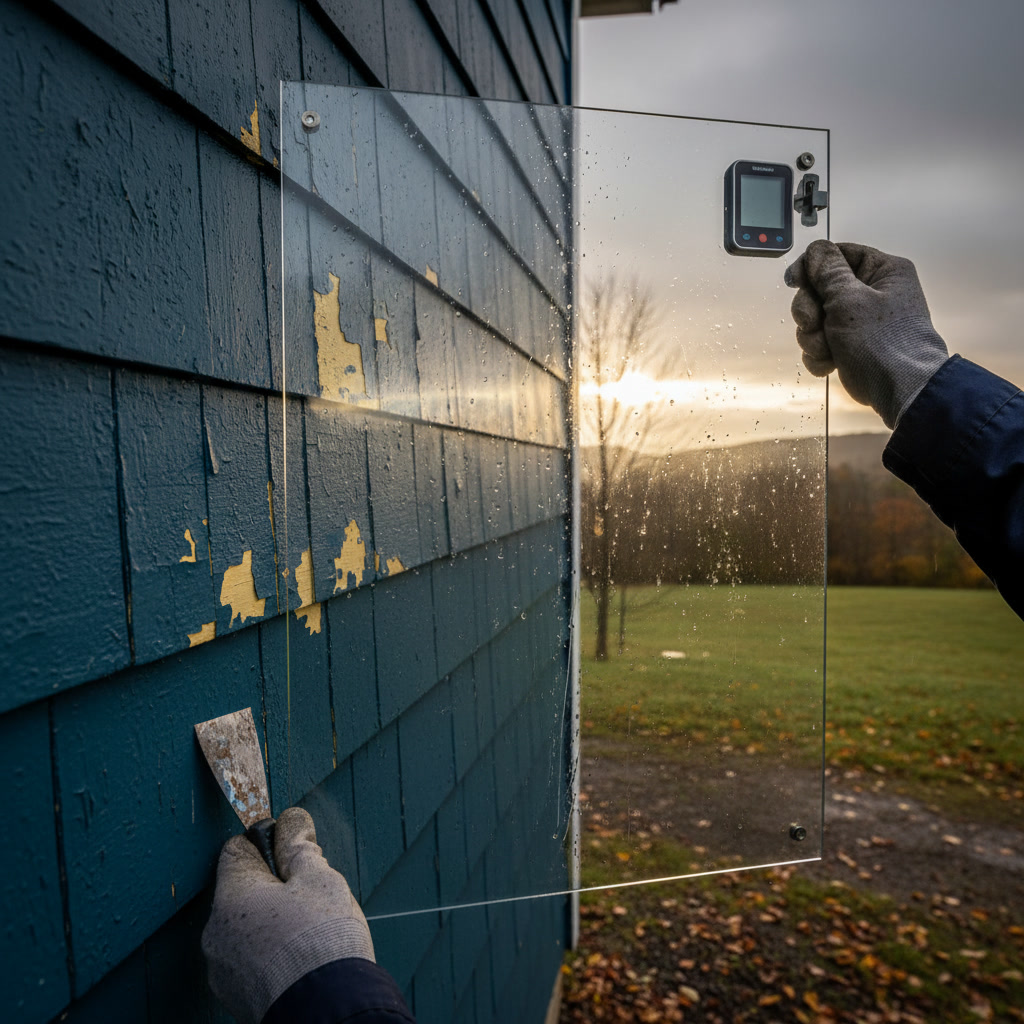
Homes built before 1978 likely contain lead-based paint. Federal law requires certified contractors to follow lead-safe practices when disturbing these coatings. DIY projects need the same precautions to protect your family and neighbors from lead dust exposure.
Purchase EPA-recognized test kits from hardware stores or hire a certified inspector for definitive results. If lead is present, contain work areas with plastic sheeting, use HEPA-filtered vacuums, and wear appropriate respirators. Never dry-scrape or sand lead paint without containment and protection. Disposal regulations vary by municipality, so contact your local environmental office for guidance.
Making Your Investment Deliver Long-Term Value
The right exterior paint protects your property’s structural integrity while maintaining curb appeal that supports resale value. Choosing products engineered for coastal conditions, preparing surfaces thoroughly, and applying coatings during optimal weather windows creates results that last 10 to 15 years instead of five.
This approach reduces lifecycle costs and minimizes disruption to your household. Quality Affordable Construction LLC has guided South Jersey property owners through exterior improvements since 2017, applying two decades of construction experience to every project. Color selection becomes easier when you understand how climate, substrate, and product chemistry interact.
Your home deserves protection that goes beyond surface appearance. Whether you need help selecting the right products for coastal exposure or want experienced hands managing the entire process, our team brings the knowledge and care that make exterior projects successful. Reach out to discuss your specific needs and get straightforward guidance backed by proven results throughout Atlantic and Cape May Counties at +16095923410.